Showing posts with label sustainability. Show all posts

Tuesday, February 22, 2011

Cotton: The New Luxury?

photo via: Bizmology


We saw the warnings last year when many companies began to slowly raise the prices of their cotton-made products and overall use less cotton and more synthetic blends. The price of cotton rose almost 80% within last year, caused by the flooding in Pakistan, bad weather in China and India, and the initial low inventory due to a weak demand during the recession. 


But last Friday marked a record high of a 150% increase since beginning of 2010, with cotton prices at  $1.90 a pound. And reasonably, as many manufacturers switched to cheaper alternatives, prices of polyester and other synthetic fibers also increased.


Come July and August when the new fall 2011 collections hit the sales floors, it is guaranteed that we will see price increases all across the board, no matter the price point. How much of an increase, however, is yet to be determined. Retailers from all levels face the challenge of finding ways to keep their price points competitive, yet understandable to consumers. After the last several years with all down low recession prices, how customers will react to the increases after being so used to the bargain-friendly merchandise is what's on every retailer's mind.
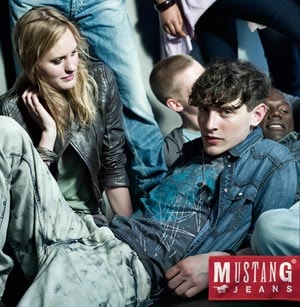

photo via: Fashion United


Denim companies face the biggest obstacle as cotton is their primary raw material. Levi's announced plans to increase prices, while Mustang, a Germany-based supplier of denim-inspired lifestyle fashion, is actively working on a goal-oriented set of measures to manage the additional costs. Besides moderate price increases, the company plans to lay off about 16 of their approximately 600 employees worldwide, affecting mostly the staff working in overhead functions. With rising production prices, retailers must reconsider all facets of their business structure to stay afloat. Other apparel companies that plan to increase prices include V.F. Corporation, J.C. Penney, Nike, and Hanesbrands. 


photo via: Treehugger

However, as prices in traditional fabrics increase, there is an opportunity for new eco-friendly materials to find it's place. For example, H&M reported a 10% drop in profits as margins were hurt by rising input costs. However, the Stockholm-based company insists that it will not lift prices at the expense of market share. Earlier this month, H&M debuted a range of environmentally friendly fashion for spring, expected to hit stores April 14, 2011. Named "The Conscious Collection" for men, women, and children, the line is made from sustainable materials like organic linen, recycled polyester, and Tencel. No longer just about organic cotton, the line emphasizes the endless possibilities of fashionable items with smarter green materials. H&M expects to continue this line several times throughout the year. And let's not also forget their recent Waste Collection, the limited line made from left over fabrics from the production of H&M's designer collaboration with Lanvin. 


photo via: Ecouterre


Recycled materials and vintage clothing will naturally gain momentum as both require little to none materials cost. The American swimwear brand, Speedo, recently collaborated with student designers from the London College of Fashion, University College Falmouth, and the University of Huddersfield to rework their surplus of LZR Racer swimsuits. The Speedo LZR Racer was launched in 2008, but due to the 2009 ban preventing swimmers to compete in full-body swimsuits, the company was left with a substantial amount of dead stock. Collaborating with eager and creative students, the final result was a couture twist to the normal swimwear attire. Click here to watch the behind-the-scenes video of the student collaboration. 


Just a few days ago, J.Crew's little sister, Madewell also announced their collaboration with fashion blog Refinery29 and presented a curated selection of vintage goods through their "Very Vintage Boutique" on their online shop. With less than 30 pieces, the collection of one-offs is extremely exclusive, affordable, and fashionably on trend. Targeting the twenty-something fashionistas, purchasing vintage finds is made easier than ever.


photo via: Ecouterre


And for those into the military-inspired trend, Christopher Raeburn and Victorinox, the brand behind the Swiss Army Knife, debuted their Fall/Winter 2011 collection last Thursday on the first official day of New York Fashion Week. The eight-piece "Remade in Switzeland" capsule collection is designed solely from decommissioned military uniforms and parachute fabrics. Featuring unisex parkas, coats, hoodies, scarves, and caps sewn by local tailors, only 100 pieces per look were made. 


But even beyond socially and environmentally conscious made products, we are also seeing more and more affordable sustainable fabrics made available to the masses. The assumption that eco or socially friendly products is too expensive is losing it's validity as websites like Offset Warehouse and Source4Style allow anyone to order anywhere from a yard to an entire roll of ethical fabrics at a fair price. With more transparency and affordability of ethical fabrics, design students are becoming better educated with what is out there, while smaller designers are enabled to afford greener options. Furthermore, current and future brands will have more meaningful visions as sourcing becomes increasingly important in the retailer's identity. 


There is a drastic shift in the way the retail industry is running today. The roles have reversed and power has come to the hands of the producers. The financial crisis led many producers into bankruptcy, resulting in a smaller, more expensive production capacity. The resulting increase in sourcing costs affects all companies in the apparel industry in a way that has never been before. And while some businesses may react by increasing prices or reevaluating their costs, others will see this as a timely occasion to carefully consider alternative, more sustainable possibilities. 

Wednesday, February 16, 2011

The NY Fashion Week Scoop

It's that time of year again: New York Fashion Week! The fashion madness all officially began last Thursday; and since then, the city has been bustling with models, editors, buyers, and stylish fashionistas making their appearances from one show to the next. Today, we highlight several buzz-worthy NY Fashion Week news, keeping you up to speed with the latest designers to watch, shows to see, and collections to buy!

1. M. Patmos 
photo via: Style.com

It was an unfortunate event when knitwear duo Lutz & Patmos bid farewell last year. But after the break up, Marcia Patmos decided to fly solo and presented a small yet strong collection for this fall. The best in creating innovative knits in soft and cozy yarns, we are all glad to see Patmos back in the fashion scene!

2. Carven's Guillaume Henry

photo via: NY Times
Being one of the first collections to sell out at Barney's, Carven has made a comeback ever since Mr. Henry took it's reign. Although Guillaume Henry is not yet a household name, he is quietly climbing the ropes to being the next hottest designer. Keeping to Mme. Carven Mallet's youthful spirit, he continues her vision of creating beautiful, modern clothes without the ridiculously expensive price tag. Look out for his latest collection during Paris Fashion Week. You don't want to miss it.

photo via: Telegraph

3. The most creative and mind-blowing presentation yet goes to none other than the skiwear giant, Moncler Grenoble. As tourists and busy NY locals were making their way through the crowded Grand Central Station last Sunday, the Beaux Arts Grand Concourse suddenly transformed into the fashion hot spot as Moncler Grenoble gave a "Flash Mob" performance. With more than 200 dancers and singers, the group gave a superb stylish performance inspired by legendary dance-maestro Bob Fosse. Click here to watch the video!

video via: YouTube


4. Remember one of our earlier posts when we discussed the blurring lines of advertising, business, and media? Well, the line might as well no longer exist. As we continue to see a shift of little to none discrepancy between commerce and editorial, we take you to the next level as we announce Net-A-Porter's new video portal, Net-A-Porter TV. Using the Google TV platform, Net-A-Porter TV includes four different channels: Runway, Who's Who, Trends 101, and Flashbacks. What makes this even better is customers can shop as they browse, comment, and share the content. Products appear on screen and buying is naturally part of the whole experience. Barney's followed with a similar site, The Window, which launched earlier this week, featuring slideshows and videos of fashion designers and their latest product arrivals. 

photo via: Ecouterre

5. And let's not forget! Although NY Fashion Week ends this weekend, there is another New York runway show later in March that is a definite must see. Featuring fashion's top designers, Christie's A Bid to Save the Earth auction event, "Runway to Green" include special pieces from their fall 2011 collections, and proceeds will go toward environmental causes. A few of the participating designers and design houses include Gucci, Prada, Balenciaga, Burberry, Yves Saint Laurent, Marc Jacobs, Diane von Furstenberg, Stella McCartney, Rachel Roy, Marchesa, Jason Wu, and Alexander Wang. The event will also launch an exclusive sale on Net-a-Porter.com, months before the collection hits stores. A portion of the proceeds will benefit charities such as the Alliance for Climate Protection, the United Nations Environment Programme's Billion Tree Campaign, and the NRDC. Mark your calendars -- Runway to Green will take place March 29th! 

We end this post with some of our favorite (and most creative) fashion show invitations!


Rachel Antonoff

Jen Kao

Michael Kors

all photos via: Refinery29

Monday, January 17, 2011

The Green in Fashion...

"Sustainable," "organic," and "eco-friendly" are terms that are still relatively new trends in the fashion industry. It may seem like we've been hearing these words forever, but it really wasn't until early last year when major retailers and designers began to heavily market eco-conscious goods. 2009 was the starting year for many companies to seriously think about going green as many eventually began offering eco-friendly versions of their key products such as H&M's Garden Collection and American Apparel's Sustainable Edition.  However, were such beginning initiatives the first and last?

photo via: NY Times

 As sustainable development was on the rise, eco-friendly jeans was naturally one of the biggest denim trends of 2009. Brands all across the board, including Levi's, Banana Republic, 7 For All Mankind, and J Brand all offered at least one pair made with some amount of organic cotton. However, the NY Times pointed out earlier this month, that now, about a year later, none of these eco-friendly versions exist.

One has to wonder why and what does this mean for the future of eco-friendly fashion? One's immediate reaction is probably some level of disappointment. However, do not be quick to judge. Although these eco-friendly versions may no longer exist, it does not necessarily imply that environmental responsibility is just a momentary fad of the past.


In actuality, many of these denim brands have realized being eco-conscious is not just about using organic products. As we've discussed many times in our earlier entries, there are dozens of other factors to consider: water use, dye impact, soil health, labor issues, fair trade, etc. Yes, Levi's no longer has their eco-friendly line, but instead, it has joined the nonprofit organization, Better Cotton Initiative. Focused on creating a greater impact, they are working with farms in India and Pakistan that focus on sustainable-agriculture techniques, water use and economic and labor issues. The Better Cotton Initiative produces cotton that uses one third less of the normal amount of chemicals and water regular cotton uses. Although Levi's will first blend this cotton with conventional cotton, the goal is to eventually use it in every one of their styles.

Levi's Matchstick Slasher Jeans from the WaterLevi's)

Considering all aspects of sustainability, last week, Levi's also launched a new line of denim called "the Water." As water conservancy is a huge concern in the global community, the new collection reduces water consumption by an average of 28% and up to 96% for some new products in the line. By simply reducing or eliminating water in their dyeing and washing process, Levi's realizes that being eco-friendly and fashion forward is not only easy, but also economically smart and morally right.

As 2009 and 2010 were the starting years for many to take a dip in the green pool, there is a slow but growing shift in the retail industry to integrate sustainable practices as a more cohesive effort. As major brands like Levi's develop their sustainability practices in a holistic approach, the retail industry has definitely matured in their methods of going green.

So before we wrap up this post, we wanted to share a few new interesting examples that caught our attention:

photo via: Reet Aus

Only using production leftovers and discarded garments, Estonian fashion designer Reet Aus truly works by the motto, "one man's trash is another man's treasure." Click here to see her latest collection!

photo via: Reco Jeans 

Perfectly mastering fashion-forward and sustainable innovation, Reco Jeans is the first and only green label certified recycled denim product. 

photo via: Ecouterre
Better known for it's 2-year wait listed Birkins, Hermes, is taking a stab at sustainability with their new limited edition  "Petit h" collection. A series of "unidentified poetic objects" crafted from defective inventory and leftover merchandise, the design team transforms scraps and defects into beautiful house adornments and fashion accessories. Leave it to Hermes to define "recycled luxury"!

That's it for today, but don't forget! MBF will cover the up-and-coming trade shows in Berlin, including the sustainable trade shows, so stay tuned and we will keep you updated with what else we come to discover!

Tuesday, April 27, 2010

Puma's Clever Little Bag


Two weeks ago, Puma revealed its latest collaborative venture with Yves Behar, industrial designer and founder of fuseproject, of its eco-friendly shoebox at London's Design Museum. Determined to create a new shoebox that was more sustainable, the 21-month-long project included 40 prototypes, and multiple visits to distribution centers, manufacturing plants, storage facilities, and retail points across Europe and Asia. Named the "Clever Little Bag", the final design is a re-usable, recyclable, non-woven plastic bag that functions both as a shoebox and as a plastic retail bag. Through researching various methods of folding and shipping boxes, the "Clever Little Bag" is made by die cutting one flat piece of cardboard without any additional printing or assembly. The structure is created with four walls that taper in to allow for secured stacking, another important element left over from the original shoebox. The bag is stitched with heat, which equals less work and waste. It's made of non-woven polyester with recycled PET, and eventually can be recycled. The bag uses 65% less cardboard than the standard shoe box, has no laminated printing, no tissue paper, takes up less space and weighs less in shipping, and replaces the plastic retail bag.

As part of the PUMAVision, this is just one of the many steps it is making in order to reach it's goal to make all of its packaging materials fully sustainable by 2015. Puma CEO Jochen Zeitz states that realizing these goals will initially have a "slightly negative effect, which we've already factored into our product development costs." But "in terms of net savings in the mid to longer term, we hope that the cost effects will be neutral." By replacing their standard shoe boxes with the new redesign, Puma will be saving 8,500 tons of paper, 20 million Mega joules of electricity, 1 million liters of fuel oil, and 1 million liters of water every year. They will also save 500,000 liters of diesel during transportation; and because they no longer need traditional shopping bags, the company will also save almost 275 tons of plastic.

Understanding that sustainability is about working together, Puma's sustainability index is open to the public and available for other companies to help set global standards of compliance for defining the sustainability of a product. What is great about Puma's vision is that it really understands the importance of thinking sustainably; it is invested in the quality of our future and promotes a healthy, responsible way of living.  The new packaging and distribution system is set to be effective beginning 2011.

In honor of Earth Day, which was April 22, there are also several other companies joining in on promoting an eco-friendly and sustainable lifestyle:

via: Sephora
EDUN collaborated with Sephora to released a set of allergen-free and nature-based eyeshadow collection. The palette comes in a wooden box with an organic cotton case. In line with EDUN's company vision, the makeup collection is made in developing countries, providing opportunities for employment. $3 from every sale will go to the Wildlife Conservation Society to fund activities of the Conservation Cotton Initiative in Uganda.
via: Sephora


 via: Stylelist
If you haven't seen their posters already, H&M is working in collaboration with the Boys and Girls Club of America to collect children's clothing. Bring in any gently used children's clothing to any H&M store and receive 20% off your next purchase. Hurry because the donation drive ends tomorrow, April 29! 

Wednesday, March 24, 2010

Nothing to Hide

One of the biggest trends of our times is transparency-- and we're not just talking about sheer tank tops or blouses here. What we are seeing is not limited to the runway fashions with trends that may not withstand more than a few months, but rather a cultural shift that is drastically changing the way we live, feel, and think as individuals and active members of society.

As we have many times discussed the rising popularity of social media networks and technological advancement of all industries, along with these is more openness and transparency. Networks like Facebook, Twitter, and LinkedIn have become so integrated with how we interact with others, both in our personal lives and business, that we are now accustomed to, and even expect, to have access to what everyone is up to and letting others know about us. As communication is becoming faster, wider, and easier, people seem to be less concerned about invasion of privacy, or at least there is now a whole new set of standards.

                              Cast of Kell on Earth via: Pop Tower

In turn, this mentality has affected every industry in the way companies market themselves and interact with their customers. The fashion industry has become more open with what goes "behind-the-scenes"
as fashion-related reality TV shows have increased in popularity with new shows coming up every year, like this year's newest hits Kell on Earth and Launch My Line. There is also more openness in the retail segment. Last year, the always forward Opening Ceremony created a blog, giving a behind-the-scenes knowledge of their staff, collections, and personal interests. And more recently, J. Crew began sharing a selection of clothing handpicked by their creative director, giving a more personal shopping experience to their clients, as well as interviews with their favorite muses, sharing who and what inspires them.

                                                via: J. Crew

In addition, there is also a growing number of websites designed exclusively to review a product or company. Trip Advisor, for example, is one of the most popular and trusted travel review sites today, boasting with over 30 million reviews on more than 490,000 hotels and attractions, with over 45 million monthly visitors. Yelp, attracting 26 million monthly visitors with over 9 million local reviews, has also become the go-to site to review practically anything in any US city, whether it's which restaurant to dine at, which mall to shop, or which dentist to go to. But there are also more specific review sites like MakeupAlley.com, dedicated to reviewing beauty products, or MySears.com, focused solely on reviewing Sears products.

As we live in a globally connected society where communication is all about real time, the future of any industry is all about having real conversations with their customers and knowing how to best respond to it. Simply put, consumers are better educated, and they want to know more. As more information is available, people are more interested in the bigger picture of things as it is no longer just about the final product. A company's stance on health, social, ethical, and eco responsibility all have a say in the final purchase.

There are now many tools designed to help support this. Shopsavvy, an Android app, allows one to scan almost any barcode using the phone's camera, and it will then search over 20,000 online and local retailers to find the best price. Fatburgr, a website and iPhone application, allows one to search the nutritional facts of almost every fast-food restaurant. One of our favorites is the GoodGuide, a website and iPhone application providing information for the eco-conscious consumer, evaluating the life cycle of over 70,000 products. Project Label is another, creating "people-powered company nutrition labels", showing a company's social and environmental impact. Using the power of the web, the site allows consumers, businesses, and organizations to add, discuss, and vote on credible news, media, and research to help build these labels.

                                            via: Inhabitat

With websites and tools like these, it is only more beneficial for companies to be more transparent about their business practices and take more responsibility. As there is a growing number of websites such as these, there is very little room to hide and much less space for error.

And since we've mentioned Walmart in our previous post, we want to point out that last July, they announced plans to develop a sustainable product index, evaluating the sustainability of all their products. Beginning with a survey of its more than 100,000 suppliers, they plan to focus on four specific areas: energy and climate; material efficiency; natural resources, and; people and community. Walmart's president and CEO has a clear vision of the future, stating, "[Customers] want information about the entire life cycle of a product so they can feel good about buying it. They want to know that the materials in the product are safe, that it was made well and that it was produced in a responsible way. We do not see this as a trend that will fade. Higher customer expectations are a permanent part of the future."

We can't help but agree more. As transparency becomes more in demand, tools that help sustainable consumption is integral. And overall, it's becoming more difficult to separate technology with sustainability as the two are extremely interlinked. In order for brands and products to succeed today, overcoming scrutiny and withstanding a society that demands so much, companies must think more strategically; and that means being more engaged with their customers, being more honest, and ultimately being more responsible.

Wednesday, March 3, 2010

H&M Launches Organic Skincare Line

via: Stylist

Several weeks ago, we blogged about H&M's upcoming eco-friendly line The Garden Collection. But shortly after, their move toward sustainable practices backfired when news spread that they were using 30% genetically modified cotton. Since then, we've been keeping an eye on them to see where the company was going in terms of their efforts to go green. We were a bit skeptical if their green efforts were genuine, or just a publicity act.

So this month, H&M announced their interest of the skincare world with the launch of their first organic skincare collection. All items priced under $8, they offer shower gels, body lotions, scrubs, and lip balms certified by Ecocert, Europe's leading organization for the certification of natural and organic cosmetics. They also offer makeup and toiletry bags made of organic cotton, and all products are packaged in recyclable packaging. Ann-Sofie Johansson, H&M's head of design, states it was a natural step for H&M, and includes, "There's also a strong demand from our customers for organics, and I hope they will be as excited as I am about the new products."

As a fast fashion retailer, we are glad to hear H&M's continued efforts to be more eco-conscious and the support they have been receiving from their customers. Although we have been critical of their efforts, we applaud them for continuing to bring more eco-conscious products to the mass market. As sustainability is still a relatively new concept in the fashion and beauty industry, H&M's small steps are commendable, especially since most of their competitors do not offer similar eco-friendly alternatives. H&M promises that sustainability will only grow to be of more importance in their work, committing to increase the use of organic cotton by 50% each year until 2013.

And on a side note, their UK-based competitor, Topshop, also plans to launch their first beauty line, not organic, this coming May.


Tuesday, February 9, 2010

Stacy J Lee's Re(-)Creation

                                                 via: Ecouterre

Last week, Ecouterre highlighted the work of one of MBF's own staff members, Stacy J. Lee. Her Re(-)Creation line is an avant-garde approach of making use of what already exists. Collecting samples, left over and damaged merchandise, the line reworks what is considered waste into a one-of-a-kind piece of craft. Her first collection experiments with America's most iconic look: t-shirt and jeans. Click here to see the full article.

Tuesday, January 26, 2010

H&M: Organic Cotton Fraud?


via: Ecouterre

Two weeks ago, we blogged about H&M's new eco-friendly "Garden Collection." Although we were supportive of their efforts, we did have some doubts as to how "eco-friendly" the line was, considering such a low price point.

So it's not to our surprise to hear the recent speculation that H&M's eco-friendly materials are actually 30% genetically modified cotton, and not organic. The contaminated cotton was traced back to India, which is responsible for more than half of the global supply of organic cotton. This means that it is not just H&M who is using genetically modified cotton, leading other retailers and brands to investigate the issue.

Although H&M is moving in the right direction with their attempt to be more eco-friendly, this mishap can be a lesson for all designers, brands, and retailers to see how imperative it is to thoroughly monitor the supply chains and work in transparent production systems.

Wednesday, January 20, 2010

The Upcycle, Recycle Business


 via: Flickr 

As much as we love technology, sometimes it's nice to just go back to the simple life of making use of what already exists. In consideration of how much waste we produce, whether it be food, clothes, packaging, or office supplies, recycling is something that we can all do a lot more of. And Tom Szaky, founder of TerraCycle, shows that you can also make a successful business out of it, too.

While as a business student at Princeton University, Szaky took leftover food from the school cafeteria and fed it to worms. Turning waste into rich fertilizer, he then sold it in discarded soda bottles. Flash forward five years, his humble business has turned into a global food and packaging recycling program with five warehouses across the US, and more in Canada, Brazil, France, Germany, and the UK. Working with some of US' biggest consumer companies, including Kraft, Mars, PepsiCo, Kimerly-Clark, and General Mills, TerraCycle boasts with over 100 products made from recycled trash. Circuit boards are redesigned as picture frames, juice packs are collected into making backpacks, and cookie wrappers are reworked as pencil cases.

As all industries strive toward greener practices, the future of recycling has become more innovative in developing creative, sustainable solutions. As we look even in the fashion industry, the exclusive Parisian fashion house, Maison Martin Margiela, has been doing it since the beginning of its career through the Artisanal Line, transforming every day objects into high-end couture. And the more commercial brand, Urban Outfitters, has offered reworked vintage clothing through their Urban Renewal line for over twenty years.

As environmental consciousness continues to rise in importance, the fashion industry has been more keen on the idea of recycling. Last April, Fendi threw a performance art-like event "Craft Punk", challenging designers to create objects, art, and furnishings using materials discarded from the Fendi production process. And just last month, Stefano Pilati of YSL released his second edition of the capsule collection "New Vintage", offering his classic silhouettes made from recycling unused fabrics from the YSL archive. There are also more smaller boutiques, like Clothespin and Reformation, both of which have opened this past year, offering a unique, stylish assortment of reworked vintage clothing.

From the runways to the shopping malls, recycling is becoming a common thread in the fashion industry. And as sustainability is essential to it's future success, we have no doubt that in the years ahead, the concept of recycling will continue to grow as it is taken to the next level. As for any industry, innovation does not necessarily mean high-tech; sometimes brilliance can be discovered in the ordinary.

Monday, December 14, 2009

Global Plans, Local Actions


In support of the United Nations Climate Change Conference in Copenhagen, there have been over 3,000 events going on worldwide in hopes of establishing effective solutions of the world crisis. Organized by community leaders and individuals desiring to seek change, people all over the world are organizing candlelight vigils, wall signings, and marches in their cities and local towns. Bornholm, a small Danish island of population 43,000, also recently developed a program to cut its emissions to zero by developing clean energy. They are burning straw for district heat, using wind power for electricity, and developing a biofuels plant and infrastructure for electric cars. Rome is also now the first European capital to launch a plan for energy self-sufficiency, using more wind turbines and solar panels.


In addition, Native Land, Stop Eject also opened in Kunsthal Chalottenborg, Copenhagen last Saturday December 5, and continues till February 21, 2010. From the perspective of nomads, islanders, and indigenous people, the exhibition gives them a voice to speak on how the climate crisis is affecting human migration in all parts of the world.


And to give you the latest update on the Climate Change Conference in Copenhagen, the EU leaders have committed to 3.6 billion dollars a year until 2012 to help developing countries. And the two countries, Norway and Mexico, have proposed a joint model for climate funding, using both the incomes from the UN-allowances and from individual countries.


The call to urgency and immediate action is louder than ever. And as there are only a few remaining days left of the Climate Change Conference in Copenhagen, we hope that the agreements are finalized and change is near. As the 3.6 million supporters of Avaaz says to the three key leaders, Obama, Hatoyama, and Merkel, “fund the fight to save the world.”


Tuesday, August 18, 2009

Moving Sustainability Forward: now in video form!


We're ready for our close-up! Here for the very first time, scrupulously edited down by the many-talented Laia Cabrera, is the video from our round-table discussion on sustainability a few weeks ago. If you weren't able to watch our Webinar in real time, this condensed version offers you choice bits of wisdom on greening your business from panelists Bill Hovard of WL2 Studios, Susanne Goetz of the Fashion Institute of Technology, Victoria Armentrout of Oval LLC, freelance event producer Brett Christina Thomas, Kim Ackert of Ackert Architecture, Dena Verdesca of Men's Health and Rodale.com, and yours truly of MBF Trend Consulting.

Wednesday, April 29, 2009

Going green: Aveda snags Cradle-to-Cradle endorsement

They use natural (and often certified organic) ingredients, create packaging from post-consumer waste, buy wind energy to power their company, and even remake their box comps into folders. And now, reports WWD, Aveda, the Minnesota-based Estée Lauder subsidiary, has gone where no beauty company has gone – to Hamburg, where the Environmental Protection and Encouragement Agency bestowed Cradle to Cradle certification upon seven of its products as well as its packaging. The designation, bestowed on only two other companies so far, means that Aveda has considered the entire life cycle of the product in its design and production process, while adhering to principles of social and environmental responsibility. Cradle to Cradle is also the name of a highly influential book about sustainable product design written by EPEA founder Michael Braungart and William McDonough.